Français
 Español
Have you ever wondered, “Is the Ha Giang Loop dangerous with an easy rider?” This stunning yet challenging motorbike route in northern Vietnam is known for its breathtaking landscapes and winding mountain roads. While many adventurers take on the journey solo, others choose the safer option—riding with an easy rider, a local guide with extensive experience navigating the terrain.
In this guide, we will explore the potential risks of the Ha Giang Loop, discuss how an easy rider enhances safety, and provide essential tips to ensure a smooth and enjoyable trip. Whether you are an experienced traveler or a first-time visitor, understanding the Ha Giang Loop dangerous roads and key risk factors will help you make an informed decision.

1. Understanding the Risks of the Ha Giang Loop
The Ha Giang Loop is one of the most scenic yet challenging motorbike routes in Vietnam. While its breathtaking views attract thousands of travelers every year, it is important to acknowledge the potential risks before embarking on the journey.
1.1 Road Conditions and Terrain
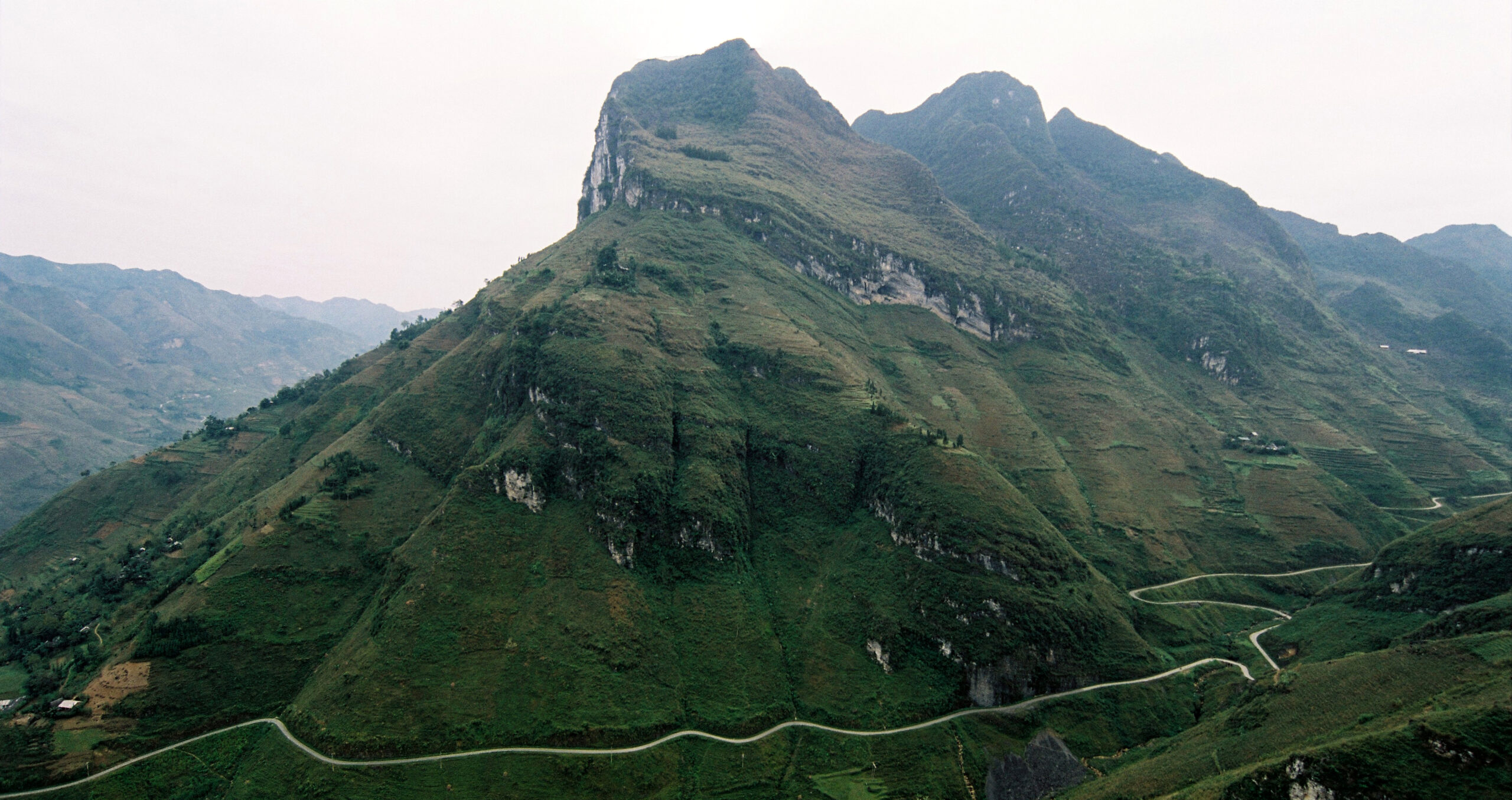
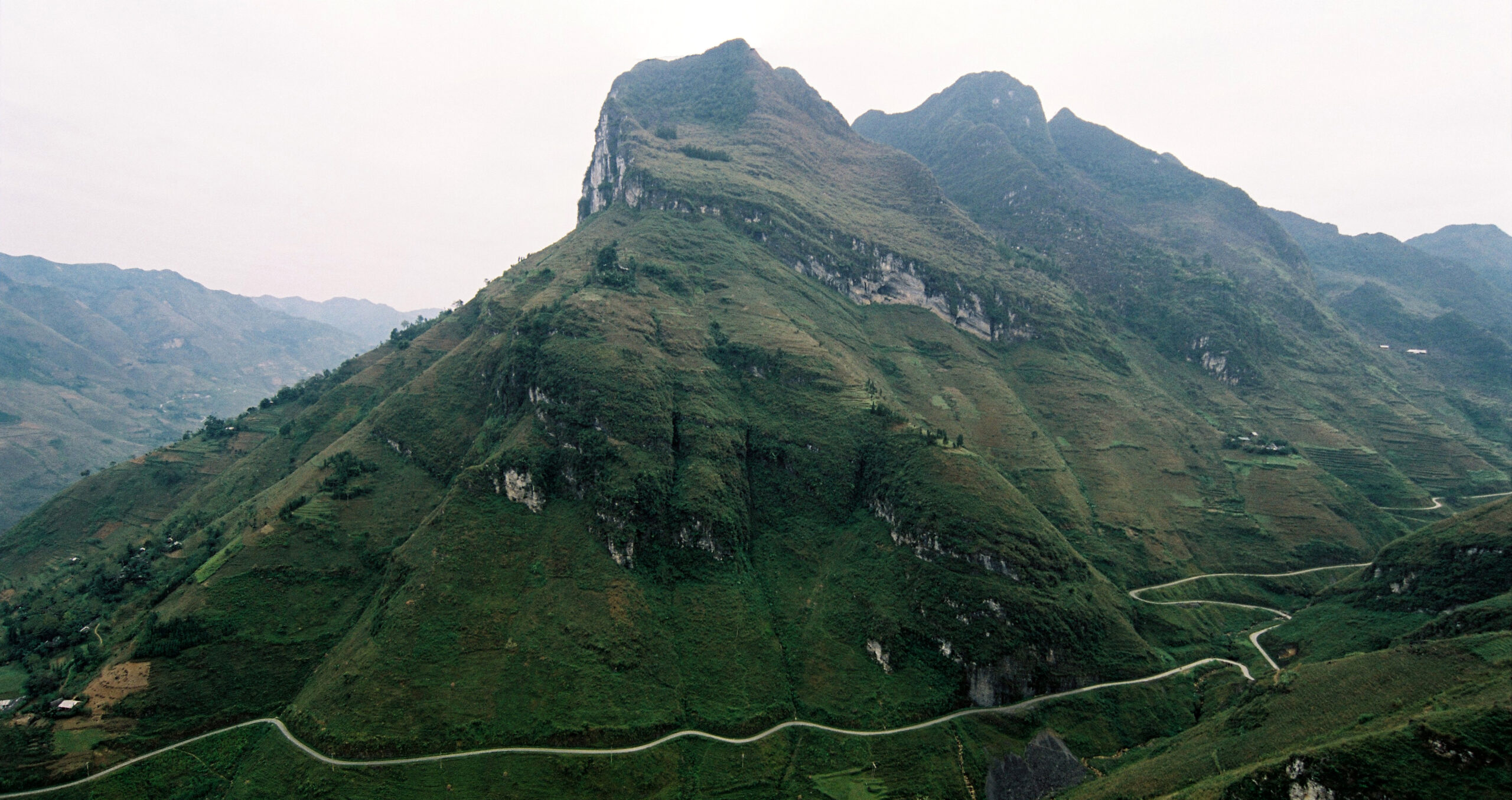
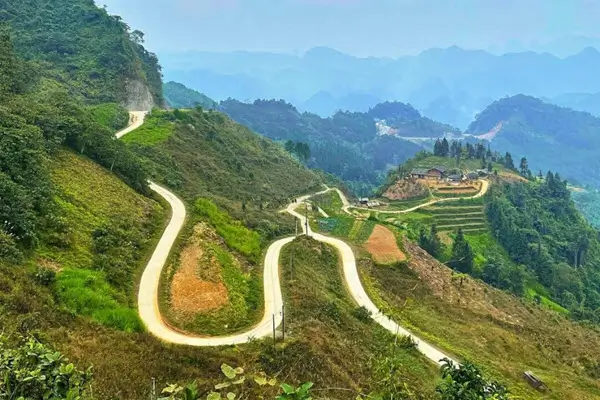
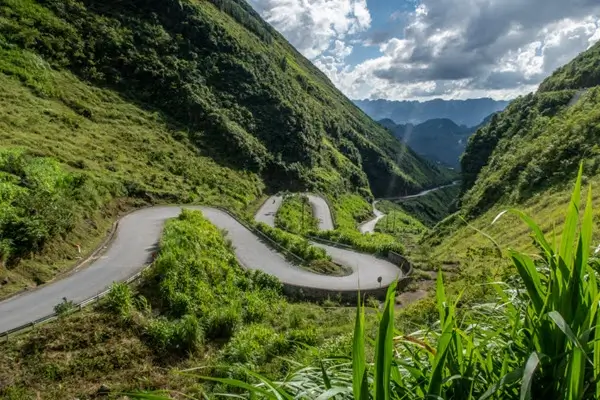
One of the primary concerns about the Ha Giang Loop dangerous roads is the rugged and unpredictable terrain. The route consists of steep inclines, sharp turns, and narrow mountain passes. Some sections of the road are unpaved, making it difficult to navigate, especially for inexperienced riders.
1.2 Common Risks on the Ha Giang Loop
- Landslides and Rockfalls – Especially common during the rainy season, landslides can block roads and create hazardous conditions.
- Unpredictable Weather – Fog, rain, and sudden temperature drops can reduce visibility and make the roads slippery.
- Lack of Guardrails – Many parts of the Ha Giang Loop dangerous parts have no protective barriers, increasing the risk of accidents.
- Remote Areas – Some sections of the loop have limited access to medical facilities, making injuries more concerning.
Despite these challenges, traveling with an easy rider significantly minimizes these risks. In the next section, we will explore how an easy rider enhances safety and makes the Ha Giang Loop a more enjoyable experience.
2. Is the Ha Giang Loop Safe with an Easy Rider?
Many travelers wonder whether hiring an easy rider makes the Ha Giang Loop significantly safer. The answer is yes—choosing to ride with an experienced local guide can greatly reduce the risks associated with this challenging route.
2.1 What Is an Easy Rider?
An easy rider is a professional motorbike guide who is familiar with the Ha Giang Loop dangerous roads and can navigate them safely. These guides are typically locals with years of riding experience and in-depth knowledge of road conditions, weather patterns, and the best routes to take.
2.2 How an Easy Rider Enhances Safety
- Expert Navigation – An easy rider knows the best ways to handle sharp turns, steep slopes, and difficult terrain.
- Road Hazard Awareness – Local guides are familiar with the most dangerous parts of the Ha Giang Loop and can help riders avoid potential dangers.
- Better Adaptation to Weather Conditions – Easy riders can anticipate changes in weather and adjust the route accordingly.
- Assistance in Emergencies – If an accident occurs, an easy rider can provide first aid and guide you to the nearest medical facility.
- Stress-Free Experience – For those who lack motorbike experience, riding with an easy rider allows them to enjoy the scenery without worrying about road challenges.
While the Ha Giang Loop has its dangers, riding with an easy rider significantly improves safety and allows travelers to fully experience the beauty of northern Vietnam without unnecessary risks.
3. Ha Giang Loop Dangerous Roads and Key Risk Factors
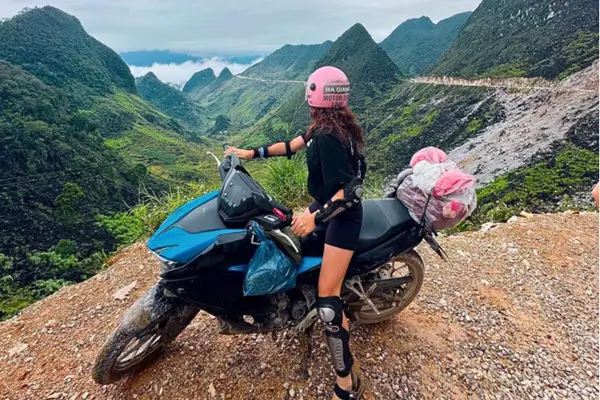
While the Ha Giang Loop is one of the most breathtaking routes in Vietnam, it is also known for its challenging and sometimes hazardous roads. Understanding the most dangerous parts of the Ha Giang Loop and key risk factors can help travelers prepare better and ride more safely.
3.1 Most Dangerous Sections of the Ha Giang Loop
Some areas of the Ha Giang Loop are more difficult to navigate than others. Here are a few of the most notorious sections:
- Ma Pi Leng Pass – One of the most famous but also one of the most challenging parts of the loop. This mountain pass features steep cliffs and narrow roads with little room for error.
- Bac Sum Pass – Known for its sharp curves and steep inclines, this section can be particularly dangerous for inexperienced riders.
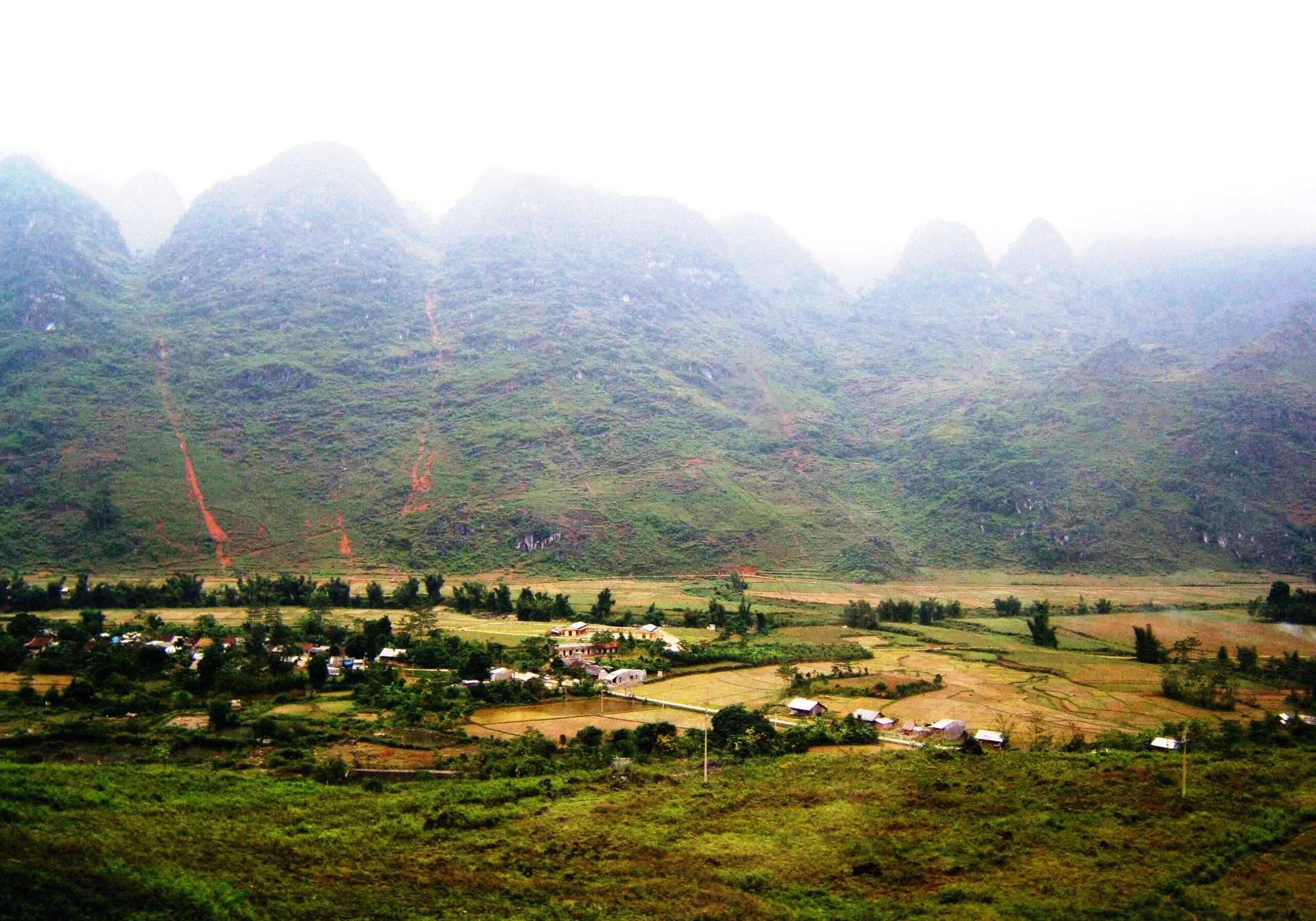
- Du Gia Road – A scenic but tricky route that can become extremely muddy and slippery during the rainy season.
If you are traveling with an easy rider, they will know how to handle these Ha Giang Loop dangerous parts, ensuring a safer journey.
3.2 Weather Conditions and Seasonal Hazards
The weather in Ha Giang is unpredictable and can significantly impact road safety. Travelers should plan their trip carefully, as weather conditions in Ha Giang vary significantly throughout the year (check the best time to visit Ha Giang on Weather Atlas). Here’s what to expect during different seasons:
- Rainy Season (May – September) – Roads become slippery, and landslides are more frequent. Visibility is also reduced due to heavy rain and fog.
- Winter Season (November – February) – Cold temperatures and thick fog can make riding more challenging. Some areas may have icy patches.
- Best Time to Travel (March – April, October) – These months offer the most stable weather conditions, making the Ha Giang Loop safer to ride.
An easy rider will be able to adapt to these conditions and choose the best route depending on the weather.
3.3 Traffic and Local Driving Habits
Traffic on the Ha Giang Loop is relatively light, but there are still hazards to be aware of:
- Large Trucks and Buses – Some roads are shared with commercial vehicles, which can make passing difficult.
- Local Motorbike Riders – Many local riders travel at high speeds and may not always follow traffic rules.
- Livestock on the Road – In rural areas, it’s common to encounter cows, goats, or buffaloes wandering onto the road.
By riding with an easy rider, you gain a local expert who understands these risks and can navigate the roads safely.
4. Essential Safety Tips for a Safe Ha Giang Loop Experience
While hiring an easy rider significantly improves safety, travelers should still take precautions to ensure a smooth and enjoyable journey. Here are some essential safety tips for tackling the Ha Giang Loop.
4.1 Proper Gear and Equipment
Wearing the right gear can make a huge difference in protecting yourself from injuries. Here’s what you need:
- High-quality helmet – A full-face helmet provides the best protection against accidents.
- Protective clothing – Wear long sleeves, sturdy pants, and gloves to protect against scrapes and road rash.
- Durable shoes – Avoid sandals; opt for closed-toe shoes or riding boots.
- Rain gear – A waterproof jacket is essential, especially during the rainy season.
4.2 Choosing a Reliable Easy Rider Service
Not all easy riders are the same, so it’s important to choose a professional and trustworthy guide. Consider these factors when selecting an easy rider:
- Experience and reputation – Check online reviews or get recommendations from other travelers.
- Communication skills – A good easy rider should be able to communicate basic English and provide helpful information.
- Quality of the motorbike – Ensure that the motorbike is well-maintained and suitable for long-distance travel.
- Pricing transparency – Agree on the cost in advance to avoid misunderstandings.
4.3 Basic Road Safety Tips for Motorbike Travelers
Even though you are riding with an easy rider, it’s important to stay alert and follow basic road safety guidelines:
- Stay on the right side of the road – In Vietnam, traffic moves on the right. Always follow this rule, especially on sharp turns.
- Avoid riding at night – Many roads on the Ha Giang Loop have no streetlights, making night riding dangerous.
- Take regular breaks – Long rides can be exhausting, so stop for rest and hydration.
- Be cautious on blind curves – Slow down when approaching sharp turns, as other vehicles may be coming from the opposite direction.
By following these safety measures and riding with an easy rider, you can confidently explore the Ha Giang Loop while minimizing risks.

5. Frequently Asked Questions (FAQs)
Many travelers have concerns about the safety and logistics of riding the Ha Giang Loop with an easy rider. Below are answers to some of the most common questions.
5.1 How much does it cost to hire an easy rider?
The cost of hiring an easy rider varies depending on the length of the trip, the service provider, and what is included in the package. On average, you can expect to pay between $25 – $50 per day, which usually covers:
- Motorbike rental and fuel
- A personal guide and driver
- Accommodation recommendations
- Local insights and cultural experiences
It’s always best to clarify what is included in the price before booking a service.
5.2 Is the Ha Giang Loop safe for beginners?
For those with little or no motorbike experience, the Ha Giang Loop can be extremely challenging due to its dangerous roads and unpredictable conditions. However, with an easy rider, even beginners can safely experience this incredible journey without worrying about road hazards or navigation.
5.3 Can I ride solo instead of hiring an easy rider?
Yes, many experienced riders choose to complete the Ha Giang Loop on their own. However, solo travelers should consider the following risks:
- Challenging terrain – Navigating the Ha Giang Loop dangerous roads without experience can be risky.
- Limited road signs – Some areas have poor signage, making it difficult for non-locals to find the right path.
- Unexpected weather changes – Sudden rain or fog can make riding more hazardous.
- Mechanical issues – If your motorbike breaks down, you may have difficulty finding help in remote areas.
For solo riders, it is crucial to plan well, carry a reliable map or GPS, and have basic motorbike repair knowledge. If you prioritize safety and convenience, hiring an easy rider is the best option.
5.4 What should I pack for the Ha Giang Loop?
Packing the right essentials can make your journey safer and more comfortable. Recommended items include:
- Protective riding gear (helmet, gloves, long-sleeved clothing)
- Raincoat and waterproof bags to protect valuables
- Sunscreen and sunglasses for daytime riding
- Basic first aid kit in case of minor injuries
- Power bank and extra phone battery for navigation and emergencies
5.5 What is the best time of year to do the Ha Giang Loop?
The best time to ride the Ha Giang Loop is during the dry seasons:
- March – April (Spring): Pleasant weather, blooming flowers, and clear skies.
- October – November (Autumn): Cool temperatures and stunning golden rice terraces.
Avoid the rainy season (May – September) due to slippery roads and higher chances of landslides. Winter months (December – February) can also be challenging due to cold temperatures and heavy fog.
6. Conclusion
The Ha Giang Loop is an unforgettable adventure, offering some of the most stunning landscapes in Vietnam. However, its dangerous roads and unpredictable conditions make safety a top priority for travelers.
For those wondering, “Is the Ha Giang Loop dangerous with an easy rider?”, the answer is that hiring an easy rider significantly reduces risks. These experienced guides provide expert navigation, knowledge of Ha Giang Loop dangerous parts, and assistance in emergencies, ensuring a safer and more enjoyable trip.
While challenges such as steep mountain passes, unpredictable weather, and remote locations exist, travelers can take precautions to minimize risks. Wearing proper protective gear, choosing a reliable easy rider service, and avoiding the rainy season are crucial steps to ensure safety.Ultimately, the Ha Giang Loop is not just about the thrill of the ride—it’s about experiencing the rich culture, breathtaking landscapes, and the warmth of the local people. With the right preparation and the guidance of an easy rider, this journey can be both safe and unforgettable.