Français
 Español
Nestled in the breathtaking landscapes of Ha Giang, Lung Tam Village is a hidden gem where the ancient art of indigenous textile making continues to thrive. This small yet culturally rich ethnic weaving village is home to the Hmong ethnic group, whose women have dedicated their lives to preserving the centuries-old tradition of hemp weaving.
In Vietnam, traditional Vietnamese handicrafts play a crucial role in maintaining cultural identity. Among these, Lung Tam hemp weaving stands out for its intricate designs, eco-friendly production methods, and deep-rooted spiritual significance. Each handwoven piece tells a story—of resilience, heritage, and the seamless blend of tradition with sustainability.
But what makes Lung Tam Village truly unique? How has this traditional craft village in Vietnam managed to sustain itself in the face of modernization? In this article, we explore the history, techniques, and impact of handmade textiles in Ha Giang, while also guiding visitors on how to experience this remarkable craft firsthand.

1. The Rich History of Lung Tam Village
1.1. Origins of Lung Tam’s Weaving Tradition
For centuries, Lung Tam Village has been the heart of Hmong weaving techniques, where skilled artisans have passed down their knowledge from generation to generation. The Hmong people, one of Vietnam’s largest ethnic minority groups, have a deep cultural connection with textile craftsmanship. Historically, weaving was not just about clothing production—it was a sacred tradition that symbolized identity, social status, and spiritual beliefs.
The art of Lung Tam hemp weaving dates back hundreds of years when Hmong women began cultivating hemp plants to create durable fabrics for their families. Unlike industrial textile production, the entire process in this ethnic weaving village is done by hand, using techniques that have remained unchanged for generations.
1.2. The Role of Hmong Women in Preserving the Craft
Women have always played a central role in preserving indigenous textile making in Lung Tam Village. From a young age, Hmong girls are taught how to spin hemp fibers, dye fabrics using natural ingredients, and create intricate patterns that reflect their heritage. This craftsmanship is more than just a skill—it represents the resilience, patience, and creativity of Hmong women.
Over the years, these artisans have fought to keep their traditions alive despite economic and social challenges. Thanks to community efforts and the rise of interest in traditional Vietnamese handicrafts, their work is now gaining recognition beyond Vietnam’s borders.
1.3. How the Village Has Adapted to Modern Influences
While Lung Tam Village remains deeply rooted in tradition, it has also adapted to the demands of the modern world. Local artisans have started incorporating contemporary designs into their textiles to attract a wider audience, including tourists and international fashion designers.
Additionally, the village has embraced sustainable practices to appeal to eco-conscious consumers. The use of natural dyes, organic hemp fibers, and ethical production methods align with global movements promoting sustainable and eco-friendly textile production. This balance between tradition and innovation has helped Lung Tam hemp weaving gain worldwide recognition.
The Hmong weaving tradition has been recognized for its intricate techniques and cultural significance (Smithsonian Folklife)

2. The Process of Hemp Weaving in Lung Tam Village
2.1. Cultivating and Harvesting Hemp
At the core of Lung Tam hemp weaving lies the cultivation of hemp, a plant that has been used by the Hmong ethnic group for generations. Unlike cotton or synthetic fibers, hemp is highly durable, breathable, and environmentally friendly. The process begins with farmers carefully growing hemp in the mountainous fields of Ha Giang, where the cool climate and fertile soil provide ideal conditions.
Once the plants reach maturity, they are harvested by hand. The outer layers of the stalks are stripped away to reveal the inner fibers, which will later be transformed into fabric. This manual harvesting method preserves the integrity of the material and ensures high-quality textiles.
2.2. Traditional Methods of Processing Fibers
After harvesting, the raw hemp fibers undergo a meticulous process to prepare them for weaving. The steps include:
- Soaking and Softening: The hemp fibers are soaked in water to soften them, making them easier to manipulate.
- Hand-Pounding: Using traditional wooden tools, artisans pound the softened fibers to break them down further.
- Spinning into Thread: The fibers are then spun into fine threads using a hand-operated spindle, a technique passed down through generations in this ethnic weaving village.
Unlike mass-produced textiles, every thread in Lung Tam Village is crafted with patience and care, ensuring the final fabric maintains its authenticity and durability.
2.3. Natural Dyeing Techniques Using Local Plants
One of the most distinctive aspects of indigenous textile making in Lung Tam Village is the use of natural dyes. Instead of synthetic chemicals, artisans extract colors from native plants, roots, and minerals found in the surrounding landscape.
- Indigo leaves are used to create deep blue shades.
- Turmeric roots produce vibrant yellow tones.
- Hem leaves provide earthy green hues.
- Tree bark and berries are blended for various brown and red shades.
These natural dyeing techniques not only ensure eco-friendly production but also give each fabric a unique, organic appearance that cannot be replicated by machine-made textiles.
2.4. Intricate Hand-Weaving Techniques Passed Down Through Generations
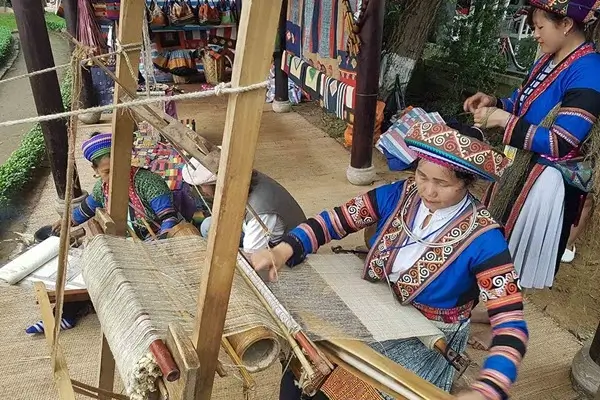
Once the threads are dyed and dried, the weaving process begins. Using traditional wooden looms, Hmong women skillfully weave each fabric piece by hand, incorporating symbolic patterns and motifs that hold deep cultural significance. These patterns often represent elements of nature, spiritual beliefs, and the rich history of the Hmong ethnic group.
Every textile produced in Lung Tam Village is a labor of love, taking weeks or even months to complete. The dedication of the artisans ensures that each handmade piece reflects the heritage and artistry of traditional Vietnamese handicrafts.
Hemp textiles are known for their durability and eco-friendly qualities, making them a sustainable alternative to conventional fabrics (Textile Exchange)

3. The Cultural and Economic Impact of Lung Tam’s Handmade Textiles
3.1. How the Craft Supports Local Artisans and Families
For the people of Lung Tam Village, hemp weaving is more than just an art—it is a vital source of livelihood. In this ethnic weaving village, most families rely on traditional indigenous textile making as their primary means of income. The craft provides employment opportunities, particularly for Hmong women, empowering them financially and giving them a greater role in their communities.
Through the sale of handmade textiles in Ha Giang, artisans can support their families while also ensuring that their cultural heritage is passed on to future generations. By preserving this tradition, Lung Tam Village maintains a strong cultural identity despite the challenges of modernization.
3.2. The Village’s Role in Sustainable and Eco-Friendly Textile Production
As global awareness of sustainable fashion grows, Lung Tam hemp weaving has gained recognition for its environmentally friendly production methods. Unlike mass-produced fabrics that rely on synthetic dyes and industrial processes, the textiles from Lung Tam Village are crafted using:
- Organic hemp fibers that require minimal water and no harmful pesticides.
- Natural dyeing techniques, free from toxic chemicals.
- Hand-weaving methods that eliminate the need for electricity, reducing the carbon footprint.
This dedication to sustainability aligns with the global movement towards traditional Vietnamese handicrafts that prioritize ethical production and ecological responsibility. As a result, Lung Tam Village has become a model for sustainable textile practices in Vietnam.
3.3. Global Recognition and Collaborations with Fashion and Design Brands
Over the past few decades, the artistry of Lung Tam hemp weaving has attracted attention beyond Vietnam. Designers, fashion brands, and cultural organizations have recognized the value of these handmade textiles in Ha Giang, leading to exciting collaborations.
Many international designers have incorporated Hmong weaving techniques into their collections, promoting indigenous textile making on a global stage. This recognition has opened new markets for artisans, helping to secure the future of traditional craft villages in Vietnam.
Additionally, NGOs and fair-trade organizations have worked with the community to ensure that artisans receive fair wages and their products reach ethical consumers worldwide. These efforts not only benefit the local economy but also contribute to the preservation of a unique cultural tradition.
The rise of ethical fashion has increased global demand for handmade textiles, supporting artisan communities like those in Lung Tam Village (Fashion Revolution)
4. Visiting Lung Tam Village: A Journey into Tradition
4.1. How to Get to Lung Tam Village
Located in Ha Giang, a province in northern Vietnam known for its stunning landscapes and rich cultural heritage, Lung Tam Village is accessible via a scenic drive through the mountains. The journey typically starts in Ha Giang City, where visitors can rent motorbikes or hire private transportation to reach the village. The winding roads, surrounded by limestone karsts and terraced fields, offer breathtaking views, making the trip an unforgettable experience.
For those traveling from Hanoi, buses to Ha Giang City are available, followed by a local ride to Lung Tam Village. Many travel agencies also offer guided tours that include visits to this traditional craft village in Vietnam, ensuring a deeper understanding of its cultural significance.
4.2. What to Expect When Visiting Weaving Workshops
Upon arriving at Lung Tam Village, visitors are welcomed by the rhythmic sounds of wooden looms and the sight of Hmong women skillfully working on their fabrics. The weaving workshops provide an immersive experience, allowing guests to witness firsthand the intricate steps involved in Lung Tam hemp weaving.
During a typical workshop visit, you can:
- Observe artisans as they process hemp fibers, spin threads, and weave textiles.
- Learn about natural dyeing techniques and see how colors are extracted from local plants.
- Interact with the weavers, many of whom are eager to share stories about their heritage and craftsmanship.
These workshops are not just about demonstrating the process—they serve as a means of preserving Hmong weaving techniques and educating visitors about the importance of indigenous textile making.
4.3. Opportunities to Purchase Authentic Handmade Textiles
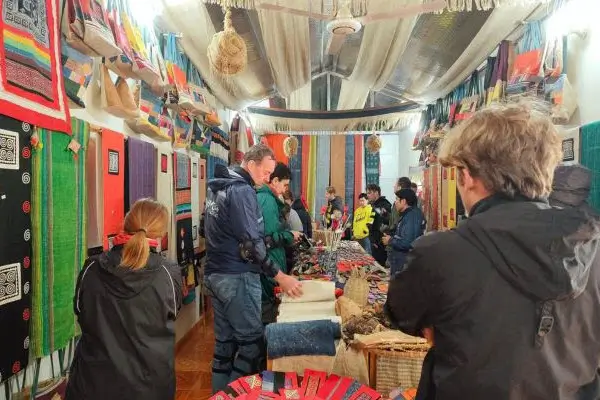
One of the highlights of visiting Lung Tam Village is the opportunity to purchase authentic, handcrafted textiles directly from the artisans. Unlike mass-produced souvenirs found in tourist markets, these handmade textiles in Ha Giang are unique, each piece telling a story of tradition and skill.
Available textile products include:
- Scarves, shawls, and garments featuring intricate Hmong patterns.
- Handwoven bags and accessories made from sustainable hemp.
- Decorative fabrics and home textiles, perfect as meaningful souvenirs.
By purchasing directly from the artisans, visitors not only acquire a piece of authentic craftsmanship but also contribute to the economic well-being of the community. This direct support helps sustain the village’s traditional Vietnamese handicrafts and ensures that future generations can continue this invaluable art form.
Ha Giang province, home to Lung Tam Village, is a top destination for cultural and eco-tourism in Vietnam (Lonely Planet)
5. Frequently Asked Questions
5.1. Why is Lung Tam Village famous for hemp weaving?
Lung Tam Village is renowned for its expertise in Lung Tam hemp weaving, a traditional craft passed down through generations of Hmong ethnic group artisans. The village specializes in producing high-quality, eco-friendly textiles made entirely by hand, from cultivating hemp to weaving intricate patterns. This unique craftsmanship, combined with the use of natural dyeing techniques, makes Lung Tam a key player in preserving indigenous textile making in Vietnam.
5.2. What makes Hmong handmade textiles unique?
Hmong textiles stand out for their elaborate motifs, vibrant natural dyes, and meticulous hand-weaving techniques. Each design carries deep cultural meaning, often representing elements of nature, spirituality, or family heritage. Unlike mass-produced fabrics, every piece created in this ethnic weaving village is unique, showcasing the artisan’s skill and creativity.
5.3. Can visitors participate in the weaving process?
Yes! Many workshops in Lung Tam Village offer hands-on experiences where visitors can try their hand at traditional Vietnamese handicrafts. Under the guidance of experienced artisans, guests can:
- Learn how to process raw hemp fibers.
- Try spinning threads using traditional methods.
- Experiment with Hmong weaving techniques on a wooden loom.
These interactive sessions provide a deeper appreciation for the patience and expertise required to create handmade textiles in Ha Giang.
5.4. Where can you buy authentic Lung Tam textiles?
Visitors can purchase authentic products directly from Lung Tam Village, ensuring that their money goes directly to the artisans. Additionally, some fair-trade stores and sustainable fashion brands collaborate with the village to sell their textiles internationally. Buying from these sources guarantees ethical production and supports the preservation of traditional craft villages in Vietnam.
6. Conclusion
Lung Tam Village stands as a testament to the resilience and creativity of the Hmong ethnic group, preserving the rich tradition of indigenous textile making in Vietnam. Through dedication and skill, artisans in this ethnic weaving village continue to craft intricate, eco-friendly textiles that carry both cultural significance and artistic value.
In an era where mass production dominates, the commitment of Lung Tam hemp weaving artisans to sustainability and authenticity makes their work even more remarkable. Every fabric, dyed with natural colors and woven by hand, tells a story of heritage, patience, and craftsmanship.
For those who appreciate traditional Vietnamese handicrafts, visiting Lung Tam Village offers a unique opportunity to witness artistry in its purest form. Beyond the beauty of the textiles, supporting this community ensures that their cultural legacy endures for generations to come.Whether through a visit, participation in a weaving workshop, or purchasing handmade textiles in Ha Giang, every effort contributes to the survival of this invaluable tradition. By embracing and promoting Hmong weaving techniques, we help keep a centuries-old art alive in the modern world.